

Comprehensive Asset Mapping for Leisure Facility Water Systems
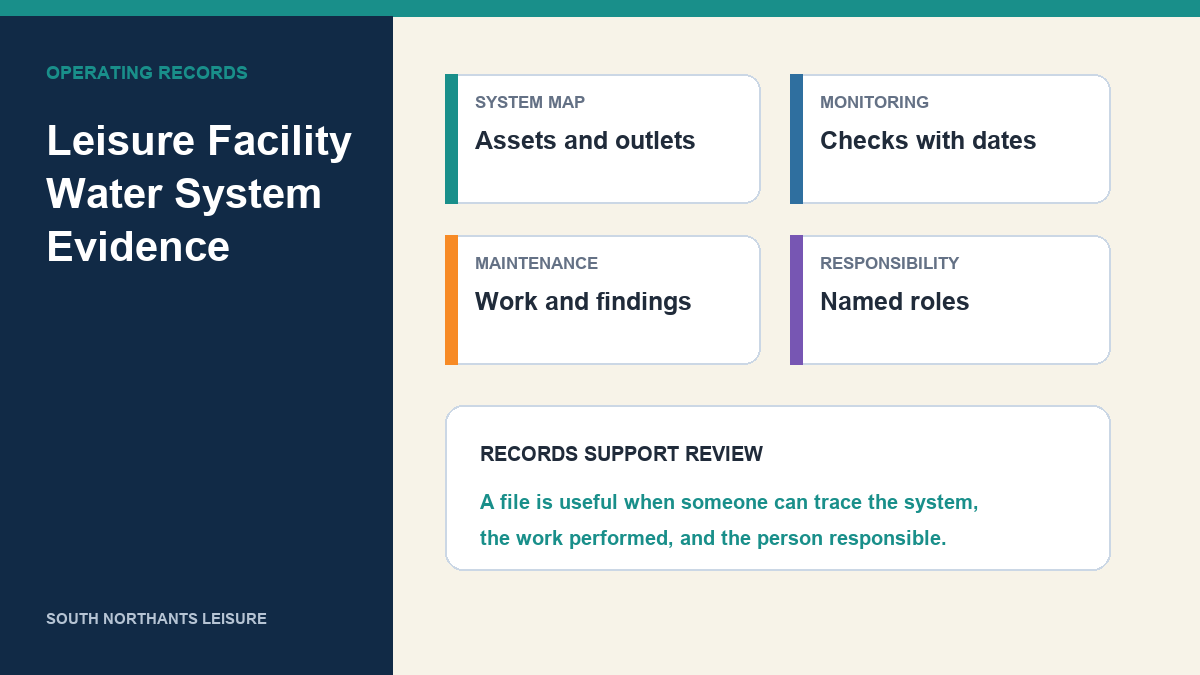
Effective water system management in leisure facilities begins with comprehensive asset mapping. This process involves creating a detailed, spatial representation of the entire plumbing infrastructure. Facility managers must systematically document every component, from the main supply lines to the smallest distribution valves. A thorough asset map provides a foundational understanding of the system’s layout, enabling rapid identification of critical control points and potential vulnerabilities.
The asset mapping process should encompass not only the physical location of components but also their specific operational characteristics. This includes recording flow rates, pressure ratings, material specifications, and installation dates for all major assets. Integrating this data into the asset map transforms it from a simple schematic into a dynamic operational tool. Facility managers can use this enhanced map to prioritize maintenance tasks, forecast equipment lifecycles, and optimize the overall performance of the water system. Furthermore, a detailed asset map is essential for coordinating with external contractors, providing them with the necessary context to execute their tasks efficiently and accurately.
For more details on managing assets, see how facility managers prepare plumbing contractor handoff and planning safe water system shutdown.
Maintaining Precise Outlet Inventories and Flow Rates
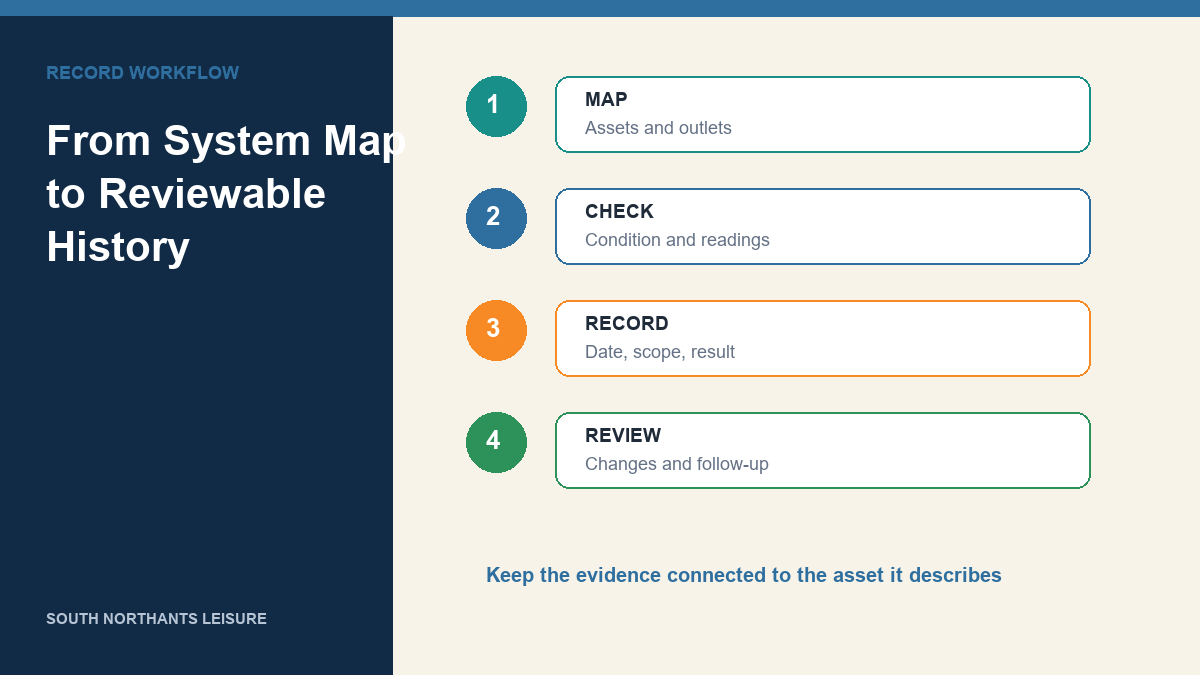
A crucial subset of asset mapping is the maintenance of a precise outlet inventory. Leisure facilities, particularly those with complex water features and extensive sanitary amenities, possess a vast array of water outlets. Documenting the location, type, and operational status of every outlet is vital for ensuring consistent water quality and managing resource consumption. Facility managers must implement protocols for regularly auditing the outlet inventory, verifying that all fixtures are functioning correctly and that their flow rates align with operational requirements.
In addition to basic inventory tracking, the documentation of outlet flow rates provides critical insights into the system’s overall balance and efficiency. By analyzing flow rate data, facility managers can identify areas of excessive consumption, pinpoint potential leaks, and optimize the distribution of water across the facility. This proactive approach to outlet management not only conserves resources but also minimizes the strain on the plumbing infrastructure, extending the lifespan of critical components.
The EPA WaterSense commercial buildings resources can help a team identify common water uses and efficiency opportunities. Treat that material as a planning reference, then use the facility’s own meter data, equipment instructions, and competent technical advice to set site-specific baselines.
Chronological Maintenance Histories for Predictive Management
Transitioning from reactive to predictive maintenance requires the systematic documentation of all maintenance interventions. A chronological maintenance history provides a detailed record of every inspection, repair, and component replacement undertaken within the water system. Facility managers must ensure that this history includes not only a description of the work performed but also the specific components involved, the technicians responsible, and any anomalies observed during the intervention.
By leveraging the data contained within the maintenance history, facility managers can implement highly targeted predictive maintenance strategies. This involves analyzing historical trends to forecast potential component failures and scheduling maintenance activities before critical issues arise. Predictive management minimizes unscheduled downtime, optimizes the allocation of maintenance resources, and enhances the overall reliability of the water system.
Continuous Monitoring Records and Water Quality Management
Continuous monitoring of key operational parameters is essential for maintaining water quality and ensuring the optimal performance of the plumbing infrastructure. Facility managers must implement protocols for systematically recording data related to water temperature, pressure, and chemical balance. This documentation provides a real-time assessment of the system’s operational state, enabling rapid detection of deviations from established baselines and the implementation of corrective actions.
The analysis of monitoring records allows facility managers to identify trends that merit investigation. For example, an unexpected pressure change may indicate a leak, a control problem, or a measurement issue; the record should trigger inspection rather than an automatic diagnosis. The HSE hot and cold water systems guidance explains a risk-based approach to managing hot and cold systems in Great Britain, including temperature control and monitoring considerations.
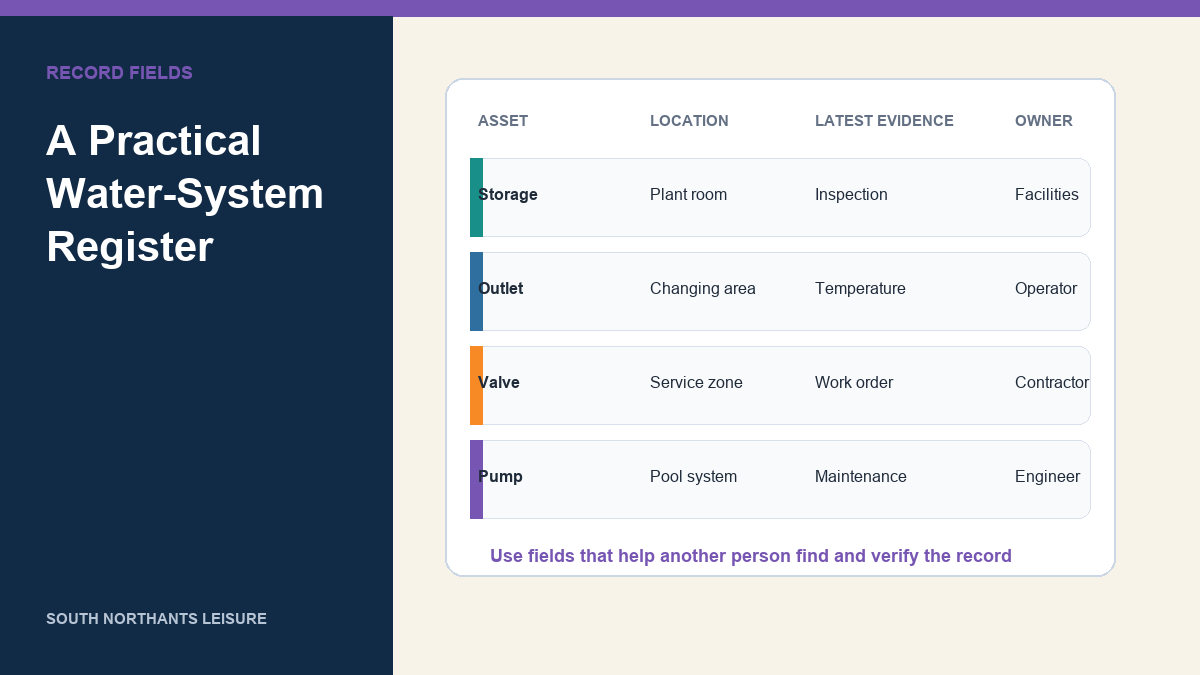
Records should connect each reading to an asset, location, date, method, result, and responsible person. The HSE water-system record keeping page provides a useful description of records a responsible person may need. Facility teams should still follow their own risk assessment, equipment instructions, contracts, and the requirements that apply in their jurisdiction.
Defining Contractor Scopes and Integrating External Expertise
Leisure facilities frequently rely on external contractors to perform specialized maintenance, repairs, and system upgrades. Managing these external relationships requires meticulous documentation to ensure that all work is executed to the highest standards and aligns with the facility’s overarching operational strategies. A critical component of this documentation is the definition of contractor scopes of work, which outline the specific tasks, responsibilities, and performance expectations for every external intervention.
In addition to defining scopes of work, facility managers must maintain detailed records of all contractor activities, including service reports, inspection certificates, and invoices. These records provide a verifiable trail of all external interventions, facilitating ongoing evaluation of contractor performance and ensuring that all work is integrated into the facility’s broader maintenance history.
Documenting Shutdown History and Navigating System Pauses
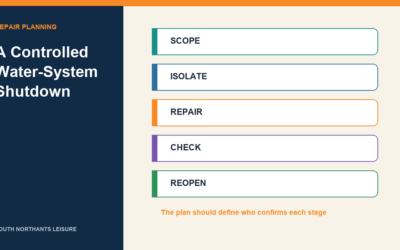
Leisure facilities occasionally require partial or complete shutdowns of their water systems for extensive maintenance, seasonal closures, or unexpected operational interruptions. The documentation of these shutdown events is a critical aspect of water system record-keeping, providing a detailed account of the procedures undertaken to secure the infrastructure and the subsequent protocols implemented to safely reinstate operations.
The shutdown history should also encompass any anomalies or challenges encountered during the process, as well as the solutions implemented to resolve them. This documentation serves as a valuable learning tool, enabling facility managers to refine their shutdown procedures and anticipate potential issues in future events.
Further expansion of asset management requires robust digital tracking capabilities. These capabilities extend into the comprehensive documentation of individual component lifecycles. By meticulously recording the installation date, usage hours, and maintenance frequency of every critical part, facility teams can forecast replacement schedules with remarkable accuracy. This level of predictive insight prevents unexpected failures that could otherwise cascade through the system, leading to extensive downtime and costly emergency repairs. Systematic component tracking transforms raw data into actionable intelligence, empowering teams to maintain strict control over the facility’s operational capabilities.
Establishing Clear Chains of Command with Named Responsibility
A critical, yet often overlooked, element of water system documentation is the clear designation of named responsibility and the establishment of an unambiguous chain of command. In complex leisure facilities, multiple individuals and departments are involved in the operation and maintenance of the plumbing infrastructure. Comprehensive water system records must explicitly identify the individuals responsible for specific operational and maintenance tasks, ensuring that every aspect of system management is actively overseen by a designated professional.
The documentation of named responsibility extends beyond simply listing names; it involves detailing the specific qualifications, training, and authorization levels of each individual involved in water system management. This ensures that tasks are assigned to personnel with the appropriate expertise and that all operations are conducted by competent professionals.
Advanced Record-Keeping Protocols for Enhanced System Oversight
To achieve the highest levels of operational excellence, leisure facilities must adopt advanced record-keeping protocols that go beyond basic documentation. This involves the integration of digital management systems that centralize data collection, automate reporting processes, and provide real-time insights into system performance.
A crucial component of advanced record-keeping is the implementation of a robust auditing and review process. Water system records must be regularly audited to ensure accuracy, completeness, and compliance with internal protocols and industry best practices. These audits provide an opportunity to identify gaps in documentation, refine record-keeping procedures, and ensure that all data is structured in a manner that maximizes its utility.
Comparison of Record-Keeping Systems
| System Type | Data Accessibility | Update Frequency | Integration Capabilities | Historical Analysis |
|---|---|---|---|---|
| Manual / Paper-Based | Low (Physical location dependent) | Periodic (Often delayed) | None (Requires manual data entry) | Difficult and time-consuming |
| Basic Digital (Spreadsheets) | Medium (Shared drives) | As-needed | Limited (Manual imports/exports) | Moderate (Requires complex formulas) |
| Integrated CMMS Software | High (Cloud-based access) | Real-time tracking | High (Connects with IoT sensors) | Advanced (Automated reporting) |
Essential Water System Documentation Checklist
- Complete and updated spatial asset map of the entire facility infrastructure.
- Comprehensive inventory of all water outlets, including flow rates and types.
- Chronological log of all routine maintenance and emergency repair interventions.
- Continuous monitoring records for water temperature, pressure, and chemical balance.
- Detailed scopes of work and service reports for all external plumbing contractors.
- Step-by-step procedures and historical logs for all system shutdowns and recommissioning.
- Organized organizational chart detailing named responsibility and chain of command.
Frequently Asked Questions About Water System Records
What should be included in a leisure facility asset map?
A leisure facility asset map must detail the physical location of all major plumbing components, including pumps, storage tanks, filtration units, primary supply lines, and major valves, providing a spatial overview of the entire infrastructure network.
Why is documenting shutdown history important?
Documenting shutdown history provides a precise historical record of the procedures used to pause and restart the system, helping facility managers refine future shutdown protocols and understand the long-term impact of downtime on equipment performance.
How often should an outlet inventory be updated?
An outlet inventory should be continuously reviewed and immediately updated whenever a fixture is added, removed, or replaced to ensure the records accurately reflect the current physical state of the facility.
What are contractor scopes of work?
Contractor scopes of work are detailed documents that define the specific tasks, performance expectations, and operational boundaries for external professionals hired to service or upgrade the facility’s water system.
What is the purpose of establishing named responsibility?
Establishing named responsibility ensures clear accountability by explicitly identifying the specific individuals who are authorized and required to oversee distinct maintenance, monitoring, and operational tasks within the water system hierarchy.

0 Comments