

The Importance of Comprehensive Scope Definition
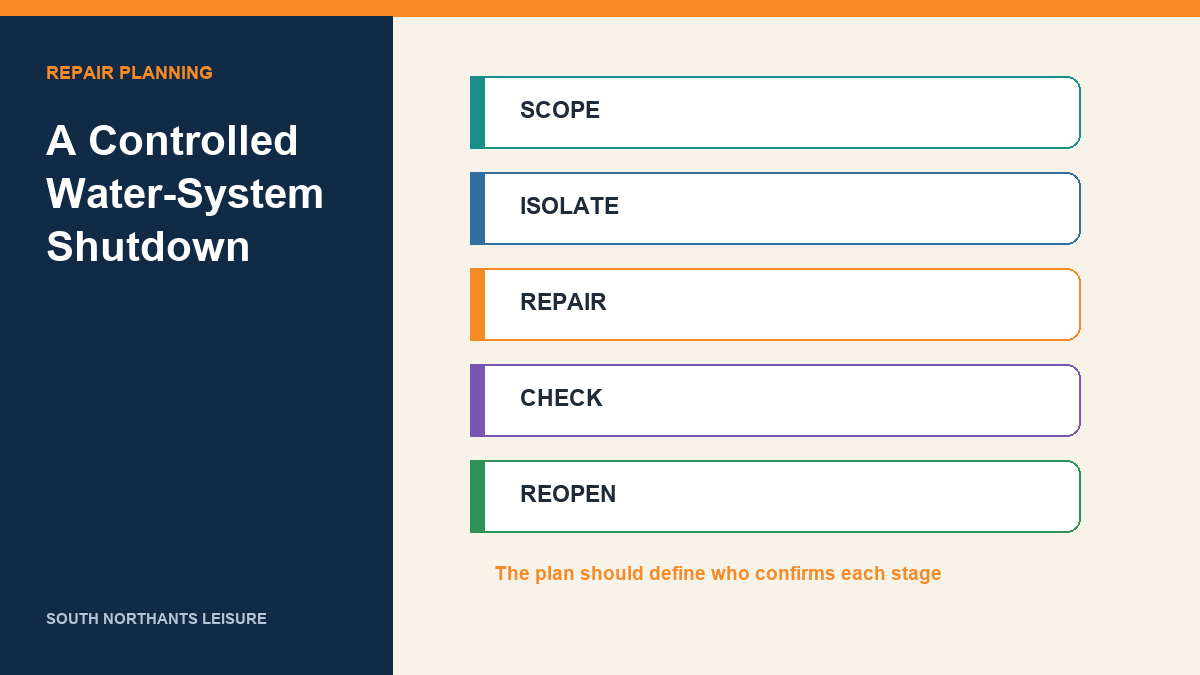
When embarking on complex repairs or maintenance within a leisure facility, understanding the precise extent of the work through comprehensive scope definition is the foundational step for planning a safe water-system shutdown. A poorly defined scope can lead to unanticipated disruptions, extended downtime, and potential safety hazards. By clearly articulating exactly what systems will be affected, facility managers can effectively isolate only the necessary components, minimizing the impact on overall operations.
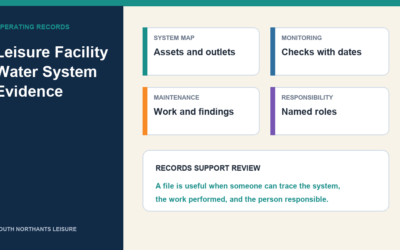
Scope definition involves mapping out the entire water distribution network affected by the planned maintenance. Facility managers should meticulously trace the plumbing lines, identifying all valves, branches, and end-use fixtures. To support this phase, reviewing leisure facility water system records provides invaluable insights into past modifications, persistent issues, and exact specifications.
Beyond mapping physical infrastructure, scope definition entails outlining specific tasks to be performed. Detailed task descriptions allow the maintenance team to estimate the required time accurately. Additionally, this clarity helps in identifying necessary tools, materials, and specialized equipment before the shutdown commences. Ultimately, investing time into thorough scope definition pays dividends, transforming a potentially chaotic event into a highly structured operation that prioritizes safety.
Engaging Qualified Personnel for Review and Approval
Once the scope is defined, the next phase is review by people who are competent for the particular system and work. Leisure facilities can have interconnected supplies serving pools, changing areas, plant rooms, and heating equipment, so the reviewer must understand the affected assets and the consequences of an interruption. Competence, authorization, and approval requirements should come from the facility’s risk controls, contractor arrangements, equipment instructions, and applicable law.
The reviewer should challenge the isolation boundaries, valve sequence, drain-down method, stored-energy controls, temporary services, and return-to-service criteria. The approval record should identify who reviewed the plan, what evidence they used, unresolved assumptions, and any conditions that must be met before work begins. A sign-off is evidence of review, not a guarantee that the plan is risk-free.
To prepare effectively for this stage, it is helpful to understand how facility managers prepare plumbing contractor handoff. By organizing all relevant system schematics and historical maintenance logs, managers can facilitate a smooth review session. The more comprehensive the information presented to the qualified reviewer, the more effective their analysis will be.
Mastering Energy Isolation Coordination and Lockout/Tagout
Securing the affected system requires a documented energy-isolation process. Pressurized water, pumps, electrical supplies, heat, gravity, and connected equipment can each create hazards, so the competent team should identify every relevant energy source and the approved means of isolation before work starts.
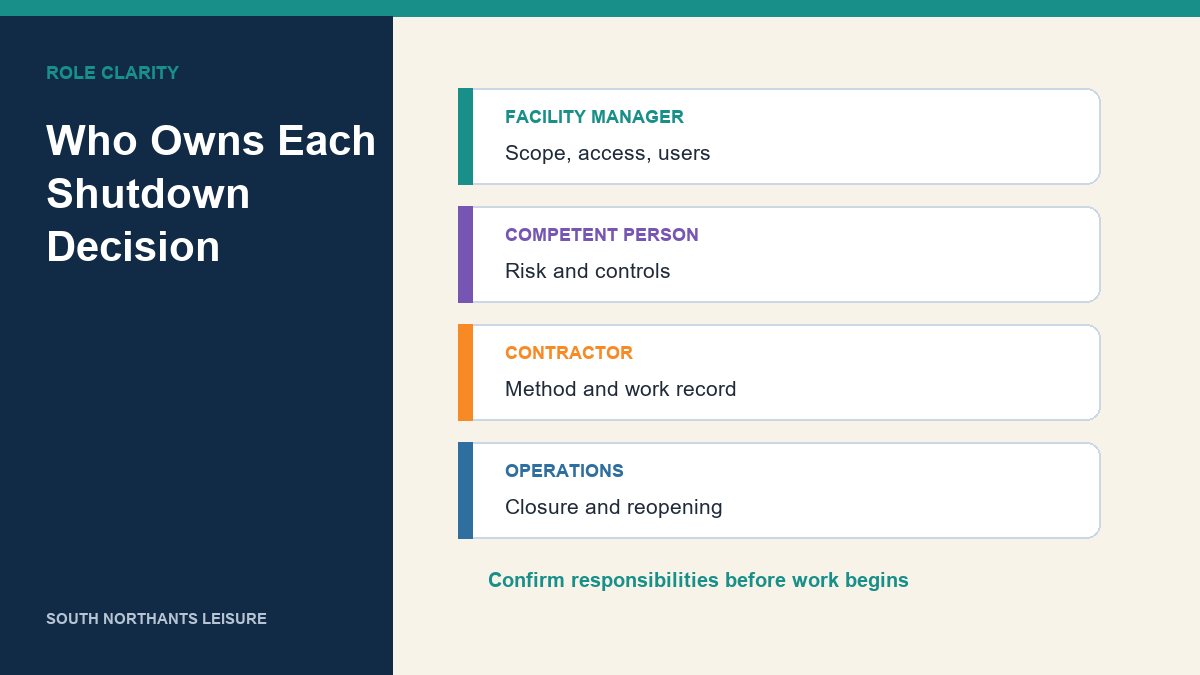
The approved isolation plan should identify the isolation points, method of securing them, means of dissipating stored energy, and method used to verify the zero-energy state. The team should not assume that closing a valve alone proves isolation. The precise device and verification method depend on the asset and the facility’s authorized procedure.
When several people are involved, responsibilities for group isolation and personal protection must be unambiguous. The OSHA control of hazardous energy page describes a US regulatory framework and core control concepts. It is not a substitute for the rules that apply at the facility’s location, nor for a system-specific procedure prepared by competent personnel.
Developing a Proactive User Communication Strategy
The human element of managing the expectations and experience of the facility’s users is equally important during a shutdown. A proactive user communication strategy is essential for mitigating frustration and maintaining the facility’s reputation. Unexpected water outages in a leisure environment can lead to significant dissatisfaction if not handled with transparency.
The communication process should begin well in advance of the planned shutdown. Facility managers must identify all affected user groups, including members, visitors, and internal staff. The messaging should be clear and informative, detailing the exact date, time, and expected duration of the service interruption. Selecting the right communication channels is crucial, utilizing a multi-pronged approach that includes prominent signage and digital communication.
During the shutdown itself, maintaining communication remains important. If repair work uncovers unexpected complications extending the duration, users and staff must be updated promptly. Providing realistic timelines demonstrates respect for users’ time. A comprehensive communication strategy also includes a post-shutdown follow-up to notify users that normal service has resumed.
Implementing Reliable Temporary Solutions During Shutdown
To minimize the impact of a water-system shutdown, implementing reliable temporary solutions is often a necessary component of the overall plan. Creative and pragmatic temporary measures can help bridge the gap, ensuring that essential services remain available while the primary infrastructure undergoes repairs.
One of the most common temporary solutions involves providing alternative sanitation facilities. If main restrooms are rendered unusable, bringing in portable toilets and handwashing stations is crucial. In scenarios where the shutdown affects the supply of drinking water, providing alternative sources is a priority. For more complex requirements, such as maintaining water levels in secondary pools, temporary bypass pumping systems might be necessary.
The EPA WaterSense commercial buildings resources can help a team understand normal water uses and efficiency opportunities when estimating temporary demand. They do not design or approve temporary plumbing. Any bypass, temporary supply, or sanitation arrangement needs appropriate technical, hygiene, access, and regulatory review.
| Temporary Solution | Primary Function | Best Use Case Scenario | Implementation Considerations |
|---|---|---|---|
| Portable Restroom Trailers | Alternative sanitation | Extended shutdowns affecting main locker rooms. | Requires adequate outdoor space and servicing. |
| Bottled Water Stations | Alternative drinking supply | Any shutdown affecting potable water lines. | Requires continuous inventory management. |
| Bypass Pumping Systems | Maintaining operational flow | Isolating specific main lines while keeping secondary pools operational. | Requires complex engineering and rigorous safety checks. |
| Standalone Handwashing | Basic hygiene maintenance | Short-term outages affecting smaller bathroom areas. | Easy to deploy; requires regular refilling. |
Overseeing the Repair Process and Contractor Activities
Once the shutdown is executed, the focus shifts to overseeing the repair process and managing activities of internal maintenance teams and external contractors. Effective oversight ensures work is performed according to the agreed-upon scope and adheres to safety protocols.
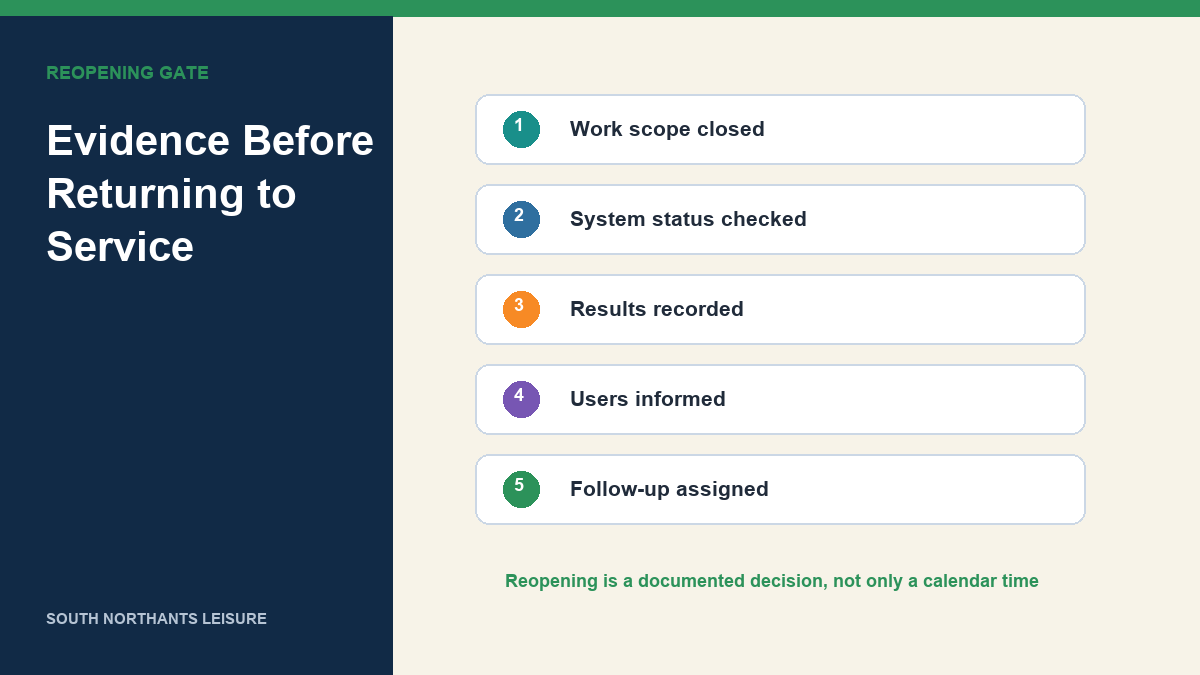
The designated facility representative should coordinate access and compare progress with the agreed scope, while the contractor or authorized person controls the work area and isolation under the approved procedure. Observers should never touch locks, tags, valves, guards, or temporary controls. Deviations, unexpected conditions, and proposed scope changes should be stopped, documented, and reviewed by the responsible parties before work continues.
Managing external contractors requires clear communication and strong leadership. The facility manager should organize briefing sessions to track progress and discuss challenges. Furthermore, vigilant oversight involves ensuring the repair work meets required quality standards, verifying that correct materials are used and installation aligns with best practices.
Conducting Systematic Reopening Checks and Flushing
As the repair phase concludes, the process of restoring the water system must be approached with care and precision. Rushing the reopening phase can introduce contaminants or cause pressure spikes. Conducting systematic reopening checks and implementing a rigorous flushing protocol are essential steps. The reopening process begins with a comprehensive visual inspection to verify that all repairs are complete and tools have been removed.
Once the system is no longer isolated, the reintroduction of water must be done slowly. Opening the main supply valves too quickly can create a water hammer effect. After the system is fully pressurized and confirmed to be leak-free, a thorough flushing protocol is required to clear debris and potential contaminants.
The UK HSE hot and cold water systems guidance describes risk controls that may inform a reopening plan in Great Britain. The exact flushing, sampling, temperature, disinfection, and authorization steps should be set by the facility’s risk assessment and competent advisers. A practical reopening checklist can include:
- Verify Completion: Visually inspect the repair site to ensure all physical work is finished.
- Clear Personnel: Confirm that all contractors have cleared the immediate area.
- Remove LOTO: Systematically remove all Lockout/Tagout devices according to protocol.
- Gradual Pressurization: Slowly open the main supply valves to prevent pressure shock.
- Leak Inspection: Station personnel to immediately check for leaks at newly repaired joints.
- Comprehensive Flushing: Run water through all affected fixtures until clear.
- Authorization Record: Record required readings or test results and obtain the responsible person’s approval before reopening affected areas.
Finalizing Thorough Documentation for Compliance and Future Reference
The final phase is closing the documentation set. A complete record can support regulatory, contractual, insurance, and operational needs, but the required evidence varies by facility and jurisdiction. It also turns a single repair event into institutional knowledge for the next planned intervention.
The documentation process should compile all records generated throughout the project, including scope definition, risk assessments, energy isolation plans, and communication logs. Furthermore, any changes made to the system must be meticulously recorded. Accurate as-built drawings are indispensable for safely planning future modifications.
In addition to technical schematics, a concise closeout report should document unexpected conditions, approved changes, results, outstanding actions, and the person accepting the system back into service. Records help demonstrate what was done; they do not remove the need for competent review or eliminate liability.
Frequently Asked Questions
Why is scope definition important for a water-system shutdown?
Scope definition is important because it precisely outlines which parts of the water system will be affected and what specific tasks need to be performed. This prevents unnecessary disruptions to unaffected areas, ensures the repair team is adequately prepared with the right tools, and minimizes the overall downtime of the leisure facility.
Who should review and approve a water-system shutdown plan?
A water-system shutdown plan should be reviewed by people who are competent and authorized for the affected system and work. The facility’s risk controls, contractor arrangements, equipment instructions, and applicable law should define the required roles and approvals.
What is Lockout/Tagout (LOTO) in the context of plumbing repairs?
Lockout/Tagout is one method used within an energy-control procedure to secure identified isolation points and communicate their status. The full process also requires identifying energy sources, dissipating stored energy, verifying isolation, and following the authorized procedure for the site and equipment.
How can a facility manage user expectations during a water shutdown?
A facility can manage user expectations by developing a proactive communication strategy. This involves notifying members, visitors, and staff well in advance using multiple channels like signage and emails. Clear messaging should explain the reason for the shutdown and outline any temporary solutions provided.
Why must water valves be opened slowly when restoring service?
Water valves must be opened slowly when restoring service to prevent a phenomenon known as water hammer. Introducing water too quickly into a depressurized system creates a powerful shockwave that can burst pipes and damage newly repaired joints. Gradual pressurization allows for safe system restoration.

0 Comments