
Disclaimer: The information provided in this article is for educational and general consumer awareness purposes only. It does not constitute professional cybersecurity, legal, or technical advice.
Artificial intelligence has transformed the way we learn, communicate, and entertain ourselves. In recent months, there has been a growing trend of users seeking out AI conversational tools that promise complete freedom from standard corporate guardrails. These tools are often marketed as “unfiltered,” “jailbroken,” or completely free from moderation. While the idea of a completely open dialogue without artificial constraints might seem appealing at first glance, the reality of interacting with these unmoderated platforms is far more complicated and potentially hazardous to your digital safety.
Before diving into these alternative platforms, it is important to understand the hidden privacy and security tradeoffs. For a deeper dive into the specific dangers and structural vulnerabilities involved, you can review this detailed breakdown of unrestricted ai chatbot risks as one example of how these platforms operate without standard safety nets.
The Privacy and Data Collection Dilemma
When you use a mainstream, moderated artificial intelligence platform, you are typically protected by a comprehensive privacy policy and stringent data security standards. These companies are heavily regulated and face significant penalties if they mishandle consumer data. In contrast, many unfiltered AI applications are hosted by unknown third parties or independent developers who operate outside of these regulatory frameworks.
The primary concern with these unmoderated applications is how they handle your conversational data. Every time you type a prompt, share a personal anecdote, or ask a question, that information is transmitted to a server. Without standard guardrails, there is no guarantee that your personal information is anonymized or deleted. In many cases, developers of unfiltered tools use user logs to further train their models or, worse, sell the data to third-party brokers. This creates a significant vulnerability, particularly if you accidentally share personally identifiable information, workplace secrets, or location data.
Exposure to Unverified and Harmful Content
The term “guardrails” in artificial intelligence refers to the programming that prevents a chatbot from generating harmful, deceptive, or highly inaccurate information. While some users find these limitations frustrating when trying to write creative fiction or explore controversial topics, they serve a vital purpose in the broader digital ecosystem.
An unfiltered chatbot lacks the ability to differentiate between a harmless query and a dangerous one. Consequently, these tools are highly susceptible to AI “hallucinations”—instances where the artificial intelligence confidently presents false information as absolute fact. Because there is no moderation filter to catch these errors, users are at a much higher risk of being misled by unverified claims. Furthermore, without content moderation, these platforms can easily generate malicious code, phishing templates, or inappropriate material, making them entirely unsuitable for shared household devices or casual consumer use.
Checklist: Evaluating AI Chatbot Safety
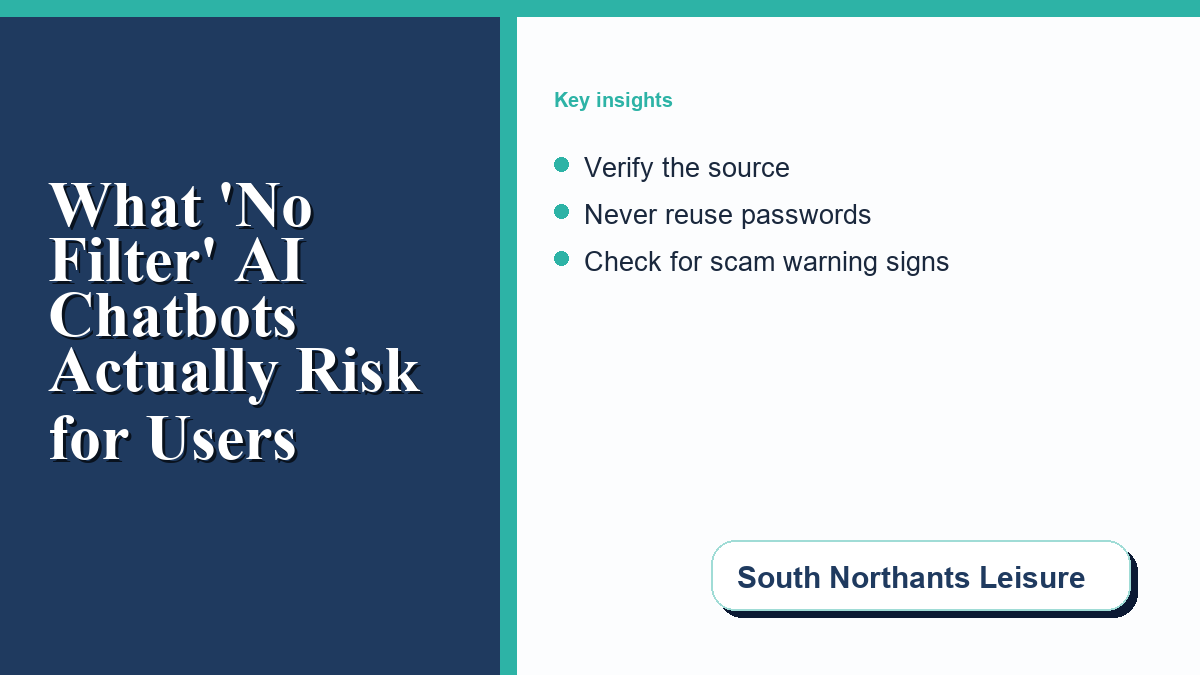
If you are exploring different artificial intelligence tools, it is crucial to evaluate their safety features before you create an account or start chatting. Use this quick checklist to assess whether a platform is prioritizing your digital security:
- Review the Privacy Policy: Check if the platform explicitly states how your chat logs are stored, encrypted, and whether they are sold to third parties.
- Identify the Developer: Ensure the tool is created and maintained by a recognizable, transparent organization rather than an anonymous developer.
- Look for Data Deletion Options: Confirm that you have the immediate ability to delete your conversation history and account data permanently.
- Check for Content Guardrails: Verify that the platform has basic safety limitations to prevent the generation of malicious, illegal, or highly deceptive content.
- Assess the Business Model: Understand how the platform makes money. If a highly complex AI tool is entirely free and has no premium tier, you are likely the product being monetized.
Frequently Asked Questions
Are unfiltered AI chatbots illegal to use?
In most jurisdictions, simply using an unmoderated chatbot is not illegal. However, using these tools to generate malicious code, plan illegal activities, or infringe on copyrights can quickly cross legal boundaries. It is entirely the user’s responsibility to ensure their actions comply with local laws.
Can an AI chatbot infect my computer with a virus?
A text-based chatbot cannot directly infect your computer just by chatting with it. However, an unmoderated AI might generate malicious links, suggest downloading compromised software, or provide instructions that compromise your device’s security if you choose to follow them.
Why do mainstream AI companies restrict their models so heavily?
Mainstream companies implement strict guardrails to protect their brand reputation, comply with international data protection laws, and prevent their technology from being weaponized by bad actors for scams, spam, or cyberattacks.
Making Informed Digital Choices
The allure of a completely unrestricted conversational tool is understandable in an era where digital experiences feel increasingly curated and controlled. However, the removal of safety filters fundamentally shifts the burden of risk entirely onto you, the user. By understanding these vulnerabilities, you can make more informed, safety-first decisions about which artificial intelligence applications you invite into your daily digital routine. Always prioritize platforms that offer transparency, robust data protection, and clear moderation policies over those that simply promise a lack of rules.
0 Comments